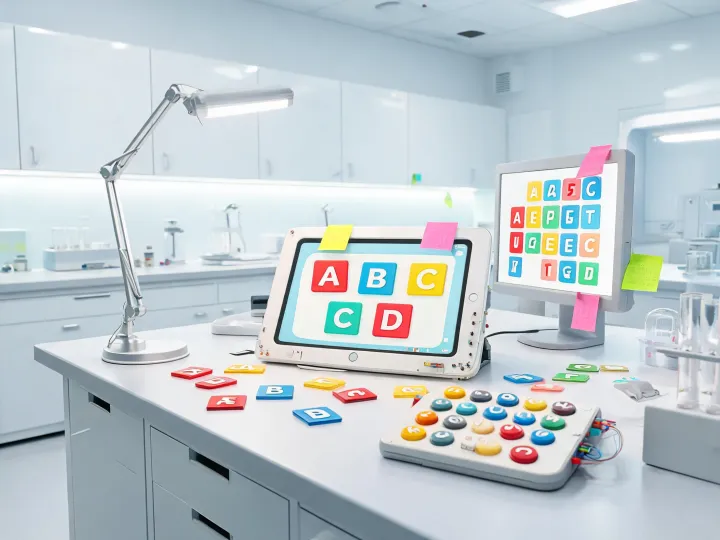
Phonics prototype bench
Buttons, voices, sounds, and feedback loops are reviewed until the next action feels obvious to a child.
Leapfrog began with a simple belief: children learn more when a toy listens, responds, and invites another try. Today that belief guides research sprints, prototype reviews, family observation, safety testing, and content design across learning tablets, reading tools, plush companions, and construction play.
We design play that gives children a reason to reach again: one more letter sound, one more tower, one more song, one more pattern solved with a proud little grin.
Leapfrog's innovation culture is not built around louder electronics or busier screens. It is built around the moment when a child understands what to do next. Researchers look at how toddlers repeat a sound, how preschoolers test a rule, how big kids explain a build, and how parents decide whether a toy belongs in a daily routine. Those observations become prompts, tactile buttons, friendly character voices, sturdy parts, and packaging that states the learning goal without overpromising.
The work is cross-functional by necessity. Child-development advisors frame the skill path. Industrial designers keep small hands, drops, cleanability, and battery access in view. Content designers shape the reward loop so repetition feels encouraging. Safety teams verify that the materials, age claims, and instructions match the intended user. The result is a brand voice that can be bright and energetic while still being specific about what a product helps children practice.
Buttons, voices, sounds, and feedback loops are reviewed until the next action feels obvious to a child.
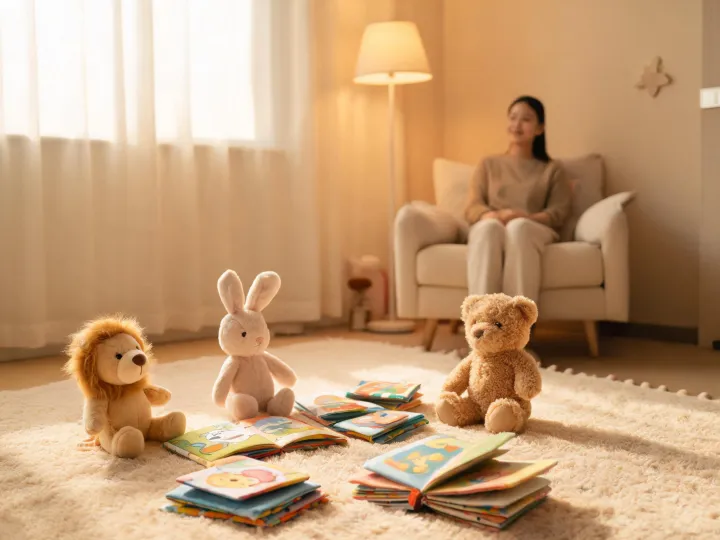
Soft goods are checked for touch, facial expression, repeatable songs, and language routines families can use daily.
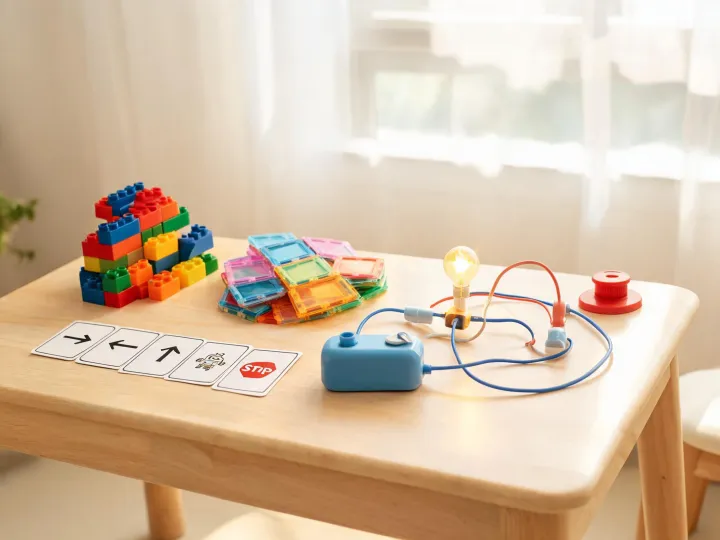
Construction concepts are tested for stability, frustration points, collaboration, and the joy of rebuilding.
A practical note on moving children from letter recognition to sound blending through short, repeatable play loops.
How texture, character voice, song length, and parent prompts can support comfort without overstimulating young children.
A product-team checklist for building toys that encourage planning, spatial language, persistence, and cooperative play.
Leapfrog can help translate age, skill, safety, and category goals into a product story families understand quickly.