Squishmallows Electric Toothbrush for Kids: Cute Isn't Enough
Posted on 2026-08-31 by Miriam Adler
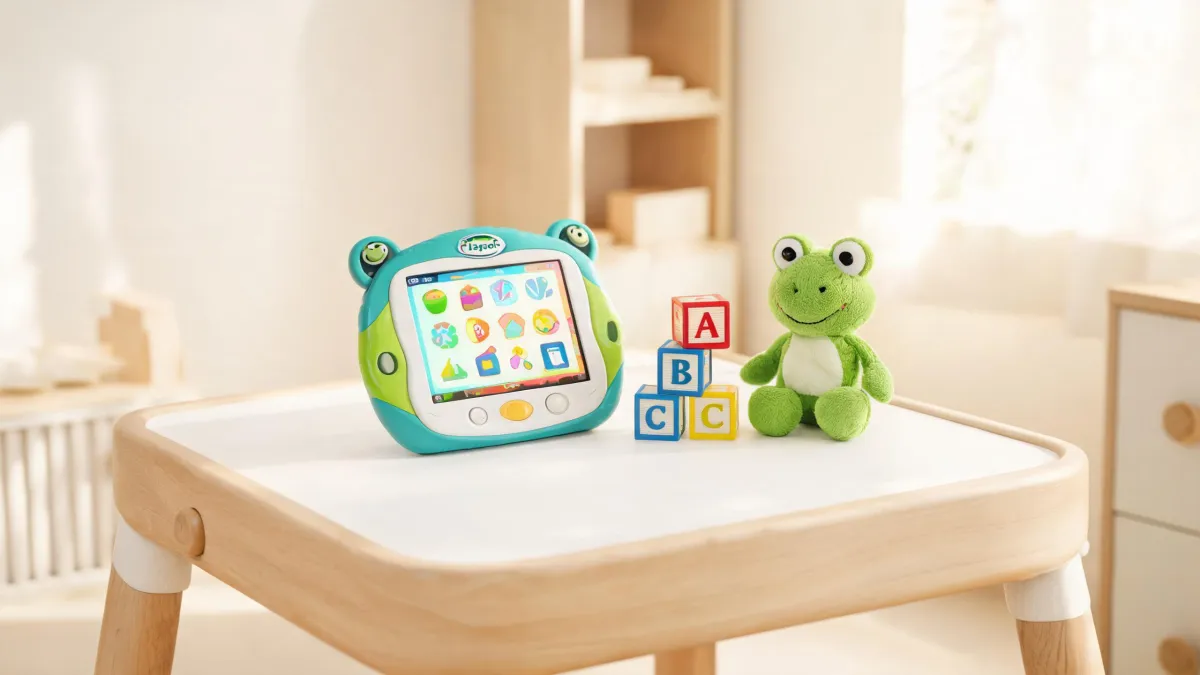
You're holding a Squishmallows toothbrush in one hand and a plain one in the other while your toddler points at the plush character. It's a tug-of-war between what makes your child smile and what actually cleans teeth. You want to make your child happy, but you worry the licensed brush is just a marketing gimmick that doesn't clean well. That tension—delight vs. diligence—is the real problem to solve, and the solution isn't as obvious as choosing the cutest handle.
The Aisle Isn't the Real Battlefield
Should a plush face on a toothbrush make the buying decision for you? The obvious answer seems to be about price: pay extra for the character your child demands, or stick with a budget-friendly plain brush. But it's not actually about cute versus cheap—it's about what each choice delivers. You want your child to brush willingly, but you also need the brush to clean well. That's why the decision feels so uncomfortable: it looks like a trade-off between happiness and health, between what your toddler will accept and what your dentist would approve. The good news is it doesn't have to be a trade-off at all, once you separate the two questions tangled together here.
The real tension isn't cute versus plain; it's desire versus practicality. A character brush can win your child's cooperation, but only if it meets the basic functional standards a dentist would expect—soft bristles, a small brush head, and a timer. Framed that way, the choice is less about which handle is cuter and more about whether the licensed brush does the same job as a simpler one. If it can, the character is a bonus; if it can't, the cute factor is just decoration. Hold that standard in mind, and the decision comes down to two checks—features and willingness.
A Plush Face Can Outperform a Lecture
Squishmallows may look like an overnight fad, yet its history explains its pull with kids. Launched in 2017, the plush line has produced more than 3,000 designs, from animals to foods to objects. That variety matters: a child can find a character that feels like 'theirs,' and that personal connection turns a toothbrush into something your child actually wants to use. These numbers aren't just trivia—they show how deeply the brand is woven into kids' culture, which is why a Squishmallows-themed brush can motivate a reluctant brusher more effectively than a lecture ever could.
Don't dismiss that motivational boost. When a child looks forward to brushing because the handle features their favorite character, the daily routine stops being a negotiation. Dentists and pediatricians often say the best toothbrush is the one a child will actually use—and if a plush face gets your kid to brush for the full two minutes, that's a meaningful win. Just don't let the character do the job of the bristles. Treat the Squishmallows factor as a tool that makes compliance easier, and keep the brush underneath a serious piece of oral-care equipment.
Three Features That Matter More Than the Plush Face
What should you check before paying extra for a licensed character? First, the brush head. A kids' electric toothbrush should have a small, rounded head that fits comfortably in a child's mouth, with soft bristles that won't damage developing gums. Dentists generally recommend soft bristles because medium or hard ones can lead to gum irritation and enamel wear over time. The right head size lets the brush reach back teeth without causing a gag reflex, making effective cleaning far more likely.
Next, compare features across price points. A plain brush might offer a two-minute timer, a pressure sensor, and multiple cleaning modes; a character brush sometimes trades those for the license fee. That doesn't automatically make the character version worse—you just have to confirm the essentials are there. Does it have a timer? Are the bristles marked as soft? Is the handle easy for small hands to grip? When you line up the feature lists side by side, the cute factor should be the tie-breaker, not the main event.
Checking these details matters more when you see how carefully parents handle other daily care items. The CDC's new breast pump cleaning guidelines, for example, stress that proper maintenance and cleaning of feeding equipment matter as much as the product itself—neglecting hygiene can allow bacteria and mold to grow. The analogy is direct: a brush that looks adorable but isn't cleaned or replaced properly won't protect teeth any better than a moldy pump part protects a baby's milk. If you'd follow detailed cleaning protocols for a pump, apply the same diligence to a toothbrush—check that the brush head is replaceable, that it dries properly, and that you swap it out every few months.
The 'Cute Means Good' Assumption Falls Apart
Parents often assume a popular character on the packaging signals higher quality or better cleaning. The same flawed logic appears in other safety decisions. When the federal car-seat standard was updated to include side-impact collision testing, parents didn't assume a cute cover was safer—they checked whether the seat met the new standard. The Consumer Reports article from June 24, 2025 notes that in 2022 more than 100,000 children were injured in traffic collisions, which is exactly why regulators added the side-impact test. The lesson is similar: a famous brand name on a brush tells you nothing about head size, bristle softness, or the timer. You have to verify the features yourself, just as you'd check a car seat's safety ratings before buckling in your child.
So what does this mean for the Squishmallows brush? Don't assume that a beloved character makes it a better oral-care product—or a worse one. The character is a motivational feature, not a cleaning feature. It can increase brushing time and willingness, which are valuable, but it cannot make up for a brush head that's too large, bristles that are too firm, or a missing timer. Once you separate those categories, the decision becomes clearer: if the brush passes your functional checklist, the character is a legitimate reason to choose it; if it doesn't, the plush face is just marketing.
A Two-Step Rule That Ends the Aisle Debate
The car-seat precedent offers a simple way to think about buying a character toothbrush. Just as updated side-impact standards gave parents a concrete checklist instead of brand reputation, a kids' toothbrush should be judged against a clear set of features. When the new regulations took effect, parents could look for test results instead of guessing. Your toothbrush decision can work the same way: define your checklist first, then evaluate any brush against it. If the Squishmallows brush meets the criteria—soft bristles, appropriately sized head, functional timer—the character is a bonus. If it doesn't, no amount of cuteness should close the deal.
Here's the rule in practice. Step one: verify the basics—a small brush head, soft bristles, and a built-in two-minute timer. If those are present, the brush can do its job regardless of what's printed on the handle. Step two: use the character as the tie-breaker. Once you've confirmed the functional features, let your child's enthusiasm decide between two equally capable brushes. If the plain brush has the same specs and costs less, it's the budget choice. If the character version adds a small premium and your child brushes longer because of it, that extra cost is an investment in better habits. The rule removes guesswork and gives you a confident answer in the aisle.
The Verdict: Better Both Ways
Let's circle back to that moment in the aisle with a Squishmallows brush in one hand and a plain one in the other. The dilemma felt impossible only because the choice was framed as cute versus clean. Once you know that a character brush can be a smart choice if it combines motivation with functional quality, the tension disappears. You don't have to choose between making your child happy and protecting their teeth—the right brush does both. The misread is simple: a licensed character doesn't automatically make a toothbrush better or worse. It makes it more appealing, and appeal, harnessed correctly, translates to more consistent brushing.
Our verdict: the Squishmallows electric toothbrush can be a genuinely good purchase if it has soft bristles, a small head, and a timer—and your child actually looks forward to using it. The character isn't the problem; the assumption that it replaces functional quality is. With the two-step rule, choose the plush-faced brush with confidence or walk past it without guilt. Either way, the decision is yours—and now it's informed.
Your rule, then: functional features first, character second—and you'll leave the aisle with the right brush.
Miriam Adler
Miriam Adler is an educational and STEM toy analyst specializing in busy boards, Montessori-style manipulatives, learning towers, sound books, reading pens, pretend-play sets, and early learning toys. She applies ASTM F963 and IEC 62115 methods while evaluating small-part hazards, accessible edges, switch durability, sound output, battery access, pull force, and age-appropriate task complexity. Her work helps parents, retailers, and product teams choose learning products that align developmental goals, supervision needs, interaction design, and the intended age stage.